

AhlulBayt News Agency: A major conference of madrasa representatives was held in Patna, India, on November 11, calling for the protection of the constitutional rights, educational autonomy and religious and cultural identity of minority educational institutions. Scholars, education representatives and intellectuals from Bihar, Jharkhand, Odisha and West Bengal attended the gathering, discussing the security of madrasas, improvements to the education system, students’ rights and concerns over government intervention.
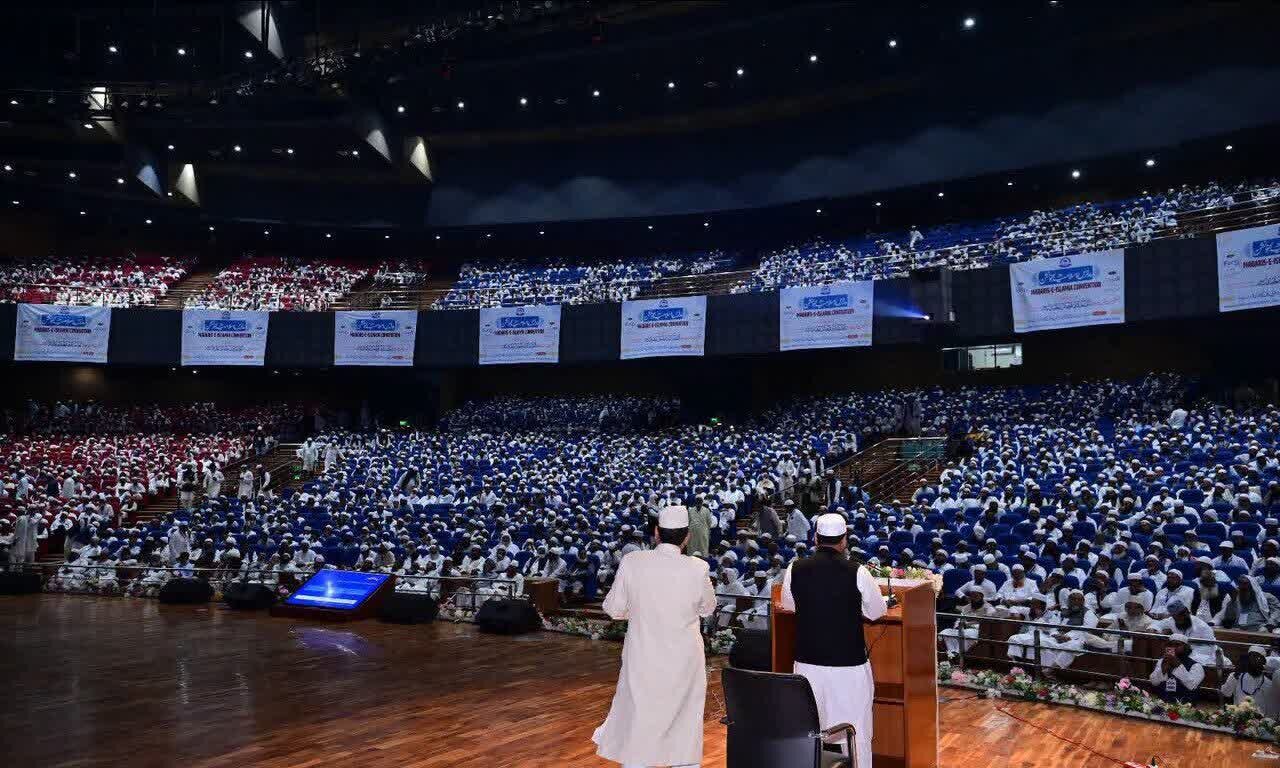
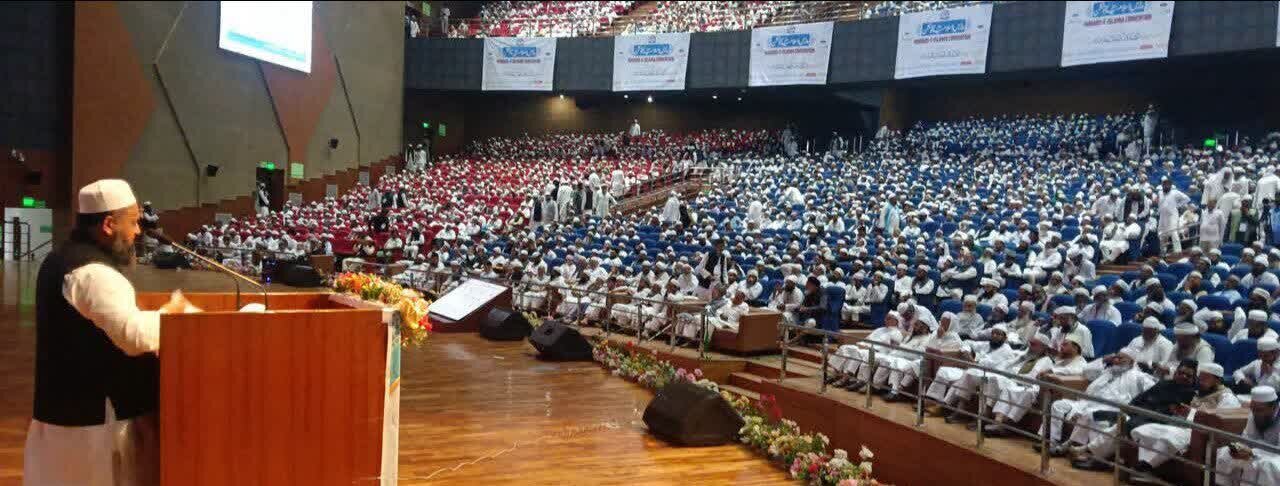
Organised under the auspices of Imarat-e-Sharia of Bihar, Odisha, Jharkhand and West Bengal, the conference took place at the Bapu Auditorium in Patna. It was chaired by Ahmad Wali Faisal Rahmani and examined the rights and legal protections available to minority educational institutions under Articles 29 and 30 of the Indian Constitution.
Constitutional Rights and Legal Protection
In his keynote address, Ahmad Wali Faisal Rahmani said religious madrasas in India had played an important role in preserving education, culture and religious traditions.
He explained that Article 29 of the Constitution protects the right of communities to preserve their language, script and culture, while Article 30 grants religious and linguistic minorities the right to establish and administer educational institutions of their choice.
He stressed that effective protection of these rights requires well-organised educational institutions, recognised academic certificates and a strong legal framework.
Referring to various judicial rulings, Rahmani discussed the legal status of madrasas and issues surrounding their administrative autonomy. He said educational institutions should defend their constitutional rights through lawful means and announced that legal guidance and necessary documentation would be made available to support them.
Shamsad Rahmani, vice-president of Imarat-e-Sharia, said Islamic scholars had made significant sacrifices during India's independence movement. He expressed concern that some groups were attempting to cast doubt on their historical contributions and stressed the need to respond through legal and constitutional channels.
In his welcome address, Mufti Muhammad Saeedur Rahman Qasmi, Nazim of Imarat-e-Sharia, said madrasas had contributed significantly to the country's educational, social and historical development. He emphasised that protecting these institutions must go hand in hand with improving their internal administration and academic systems.
Mufti Muhammad Anzar Alam Qasmi spoke about student safety and the legal responsibilities of educational institutions. Mufti Muhammad Suhraab Nadwi highlighted the historical contributions of Imarat-e-Sharia and its ongoing efforts to protect madrasas. Mufti Wasi Ahmad Qasmi drew attention to teachers' and employees' salaries and employment rights.
Other speakers included Maulvi Mufti Muhammad Naushad Noori Qasmi, Maulvi Abul Kalam Shamsi, Maulvi Rizwan Ahmad Islahi, Professor Shakeel Ahmad Qasmi, Maulvi Saifur Rahman Rahmani, Maulvi Ibrar Ahmad, Maulvi Muhibbullah Qasmi, Maulvi Zamiruddin Qasmi, Maulvi Muhammad Anwar Qasmi and Maulvi Aftab Alam Nadwi, along with representatives from the participating states.
Ten-Point Resolution on Madrasa Reform and Rights
The conference presented a ten-point resolution aimed at strengthening the legal, educational, administrative and financial systems of madrasas.
1. Legal protection for minority educational institutions: Participants proposed organising madrasas as legally recognised trusts, societies or other registered entities, ensuring that land and building documents are complete, and taking legal measures to protect their rights under Article 30 of the Constitution.
2. Student safety: The resolution called for written codes of conduct, a ban on corporal punishment and mental harassment, prompt reporting of sexual abuse to the relevant authorities, and proper documentation concerning students' travel and transportation. It also proposed ending the practice of sending underage students to collect donations in streets and markets.
3. Rights of teachers and employees: Participants demanded salaries in accordance with applicable minimum-wage standards, timely payments, proper employment records and regular professional development programmes to improve teachers' skills and educational capabilities.
4. Curriculum and academic certificates: The conference proposed incorporating Urdu, Hindi, English, mathematics and basic science into madrasa curricula alongside religious education. It also called for linking madrasa certificates with recognised educational institutions and exploring a common examination system and an independent educational board.
5. Financial transparency: The resolution emphasised transparent financial management, banking transactions, annual audits and compliance with laws governing foreign contributions. It also urged institutions to prioritise spending on the needs of students and teachers rather than unnecessary expenditure.
6. Educational and social development: Participants called for the establishment of self-sustaining educational maktabs in Muslim-majority areas, safe and dignified learning environments for girls, and effective programmes to provide educational and moral guidance to the younger generation.
7. Legal and administrative committees: The conference proposed establishing political liaison, judicial and legal, block-level guidance, review and training committees, as well as an emergency helpline to address madrasa-related problems. It also called for forming a delegation to meet the chief ministers and governors of Bihar, Jharkhand, Odisha and West Bengal.
8. Demands concerning the Bihar Madrasa Board: The conference urged the Bihar government to fill approved vacant teaching positions, address staff shortages, clear pending salaries and arrears, and ensure transparency in the board's administration. According to the conference declaration, of approximately 3,588 madrasas in the state, 1,646 approved institutions are not receiving government assistance, while files concerning 600 madrasas remain pending at the state secretariat.
9. Administrative autonomy and appointment rights: Participants objected to certain provisions of the 2022 Madrasa Management Committee Rules, calling for a review of conditions they said could undermine the administrative autonomy of minority educational institutions and their authority to appoint teachers. The conference also condemned an alleged incident involving the chairman of the Madrasa Board, in which a religious scholar was reportedly treated disrespectfully over his religious attire. It called on the government to conduct an impartial investigation.
10. Improving educational standards: The conference appealed to madrasa administrators to raise the quality of education and training, resolve internal administrative differences, strengthen engagement with wider society and create learning environments that equip students with religious knowledge as well as skills relevant to contemporary needs.
Call for Fair Treatment and Institutional Reform
Participants stressed that protecting the religious identity and constitutional rights of madrasas must be accompanied by improvements in internal administration, teaching standards and financial transparency.
They urged the government to treat minority educational institutions fairly and in accordance with the rights and legal principles guaranteed by the Constitution.
The conference began with the recitation of the Holy Quran, followed by addresses from various speakers on the future of madrasas, educational challenges and constitutional protections. All the resolutions were adopted unanimously, and the gathering concluded with prayers.




Your Comment