

AhlulBayt News Agency: Hujjat-ul-Islam wal-Muslimeen Mohammad Mehdi Imanipour, head of Iran’s Islamic Culture and Relations Organization, has said that countering negative propaganda and attempts to distort facts about Iran at the international level is an important responsibility of cultural diplomacy. He stated that facts are often misrepresented to create the groundwork for imposing sanctions, followed by attempts to impose war. Therefore, presenting Iran’s true image to the world is essential.
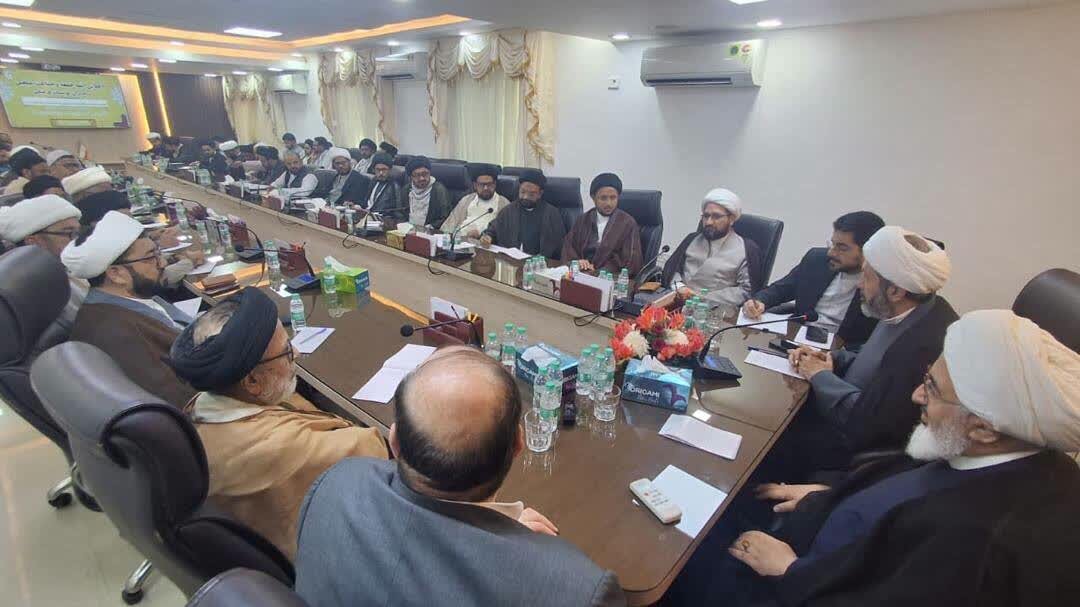
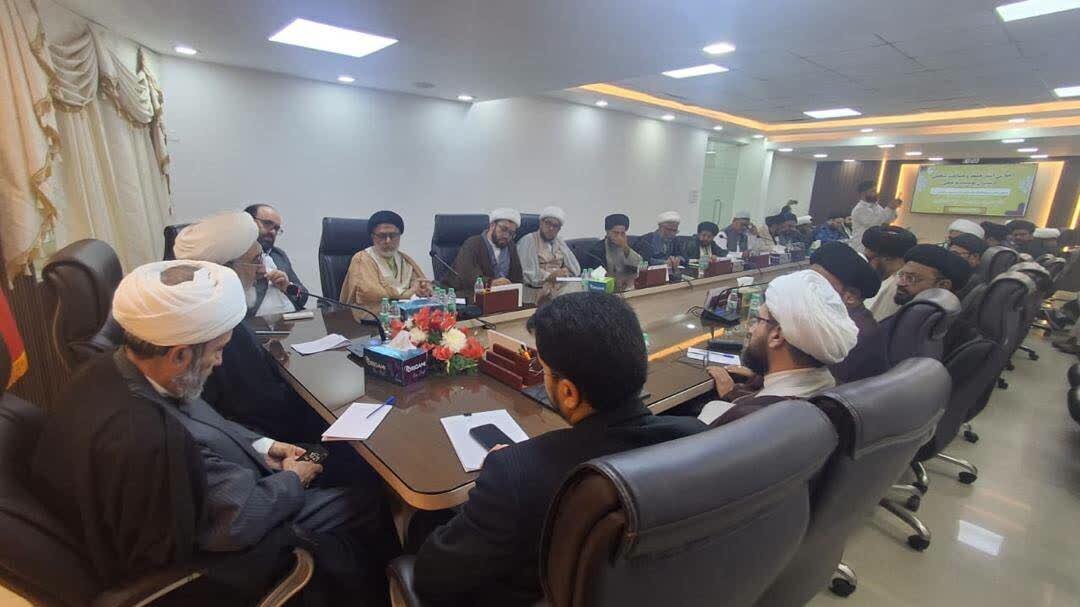
Imanipour made these remarks while addressing a meeting in New Delhi attended by Friday and congregational prayer leaders, religious preachers and representatives of cultural institutions. He is visiting India to participate in the first Civilizational Dialogue Conference of the Shanghai Cooperation Organisation (SCO). He attended the meeting at the invitation of Hujjat-ul-Islam wal-Muslimeen Dr Hakim Elahi, the representative of Iran’s Supreme Leader in India.
Imanipour explained that the Islamic Culture and Relations Organization was established in 1374 in the Iranian calendar (1995–96) to coordinate Iran’s cultural and outreach activities abroad. He said its principal responsibilities include presenting an authentic understanding of Iran, the Islamic Revolution, Islam and the school of thought of the Ahlul Bayt (AS) to the international community.
He said a coordinated international campaign was portraying Iran as a country that creates instability and crises, whereas this image does not accurately reflect Iran’s actual circumstances, rich cultural heritage or civilizational capabilities.
Highlighting the importance of promoting the Persian language abroad, Imanipour described it as an important means of understanding Iran’s intellectual, literary and revolutionary heritage. He stressed that efforts to teach Persian internationally should not be neglected. He also underlined the need to familiarise younger generations with the ideology and intellectual teachings of Imam Khomeini (RA) and the martyred Supreme Leader.
Religious Outreach Must Adapt to Changing Times
Emphasising the need to modernise religious outreach methods, Imanipour said that contemporary religious communication should not be limited to using artificial intelligence (AI), videos and social media. It also requires changes in the content of messages, the methods used to communicate them and an understanding of audiences' needs.
He noted that younger generations, particularly Generation Z and Generation Alpha, have different ways of thinking and understanding compared with previous generations. Consequently, conveying religious teachings through outdated methods and complicated language may not be effective. Hadiths and religious concepts should instead be explained in simple, accessible and understandable language so that young people can easily grasp their meaning.
He further observed that today's audiences are less inclined to spend time listening to lengthy discussions and unnecessary introductions. Therefore, speakers must capture their attention from the beginning and understand the actual concerns and challenges facing their audiences.
Active Engagement on the Media Front Is Essential
Describing the current era as a battle over ideas and public perception, the head of the organisation said that information is no longer controlled merely through restrictions. Instead, people are increasingly exposed to an overwhelming flow of both accurate and misleading information, making it difficult for them to distinguish between truth and falsehood.
He stressed that individuals involved in religious and cultural activities should not limit themselves to responding to accusations made by their opponents. Rather, they should take an active role in the ideological and media arena and highlight what they described as the double standards of global powers.
Imanipour further stated that differences between Iran and global powers are not confined to political, economic or security-related issues. He said that differences in Islamic identity and civilizational perspectives also constitute an important dimension of these disagreements.
Concluding his remarks, he called for religious and cultural centres operating abroad to be transformed into effective hubs for consultation, coordinated programmes and the professional training of religious preachers. He emphasised that mutual cooperation, systematic planning and sustained efforts are essential for the success of these activities.




Your Comment