

ABNA24 - Around 846,000 male and female students in West Bank schools will begin the 2026/2027 academic year tomorrow, Sunday, amid official preparations to provide the requirements of the educational process, at a time when Palestinian education in the Gaza Strip and Al-Quds faces extraordinary conditions and challenges related to the war and occupation measures.
West Bank students are distributed across 2,537 government, private, and United Nations Relief and Works Agency for Palestine Refugees (UNRWA) schools, supervised by around 54,000 male and female teachers.
According to data from the Ministry of Education and Higher Education, the number of students in government schools reached 634,294 male and female students distributed across 1,967 schools, while 163,787 male and female students study in 480 private schools, and 48,208 male and female students study in 90 UNRWA schools.
The number of male and female teachers in government schools reaches 40,747, in private schools 11,578, and in UNRWA schools 1,871, bringing the total teaching staff to 54,196 male and female teachers.
School infrastructure expansion
The Ministry of Education is working to implement new projects to enhance infrastructure and increase the capacity of schools.
The projects include building 17 schools for academic education, alongside 183 classrooms and facilities, at a total cost estimated at around 19.5 million dollars, and these schools are expected to enter service during the current year.
Three kindergartens comprising nine classrooms and facilities are also being built at a cost of nearly 400,000 dollars, in addition to building two vocational education schools providing ten specializations, with an investment estimated at around 6.5 million dollars.
These projects are expected to provide education enrollment opportunities for around 6,000 male and female students, from kindergarten to grade 12.
The expansion plan also includes developing two existing schools, and constructing nine new classrooms and facilities at a cost estimated at around 800,000 dollars, providing school seats for around 300 male and female students.
In parallel with this, the printing of school textbooks and their distribution to various grades is being completed, alongside preparing worksheets and supporting educational materials to enhance the educational process.
School maintenance and rehabilitation
Within the framework of improving the school environment, the ministry implemented interventions in 104 schools as part of maintenance and rehabilitation works, benefiting around 25,000 male and female students, at a cost reaching 6.5 million dollars.
These works aim to improve the educational and health environment, and provide more suitable and safe schools for students and staff.
Construction and expansion works for 16 schools and the construction of 142 classrooms and facilities are also continuing, with an investment of nearly 20 million dollars, alongside the rehabilitation of 15 schools at a cost estimated at around 2 million dollars, provided these projects are completed during the 2026/2027 academic year.
The projects currently under implementation also include constructing a new building for the Nablus Directorate of Education at a cost estimated at around 3.5 million dollars, which is expected to be completed during the summer of 2027.
Expansion of vocational and technical education
Within a plan to develop education and link it to economic and labor market needs, the ministry is working to raise the share of industrial, vocational, and technical education.
The plan includes opening more than 60 new units for vocational and technical education in various governorates of the homeland, alongside fully converting a number of schools to vocational and technical education, reaching around 20% of total school education.
Protecting education in remote areas
In remote and Bedouin areas, preparations include establishing four schools within the “Challenge and Resilience” initiative, aiming to enhance student access to education and provide schools near their places of residence.
In cooperation with international partners, the ministry also continues efforts to protect schools in areas classified as “C” and Bedouin communities, in light of threats related to occupation measures, settler attacks, and attempts to demolish schools or displace residents of those areas. Targeted areas include Yanun, Al-Mu’arrajat, Shallal al-Auja, Al-Maleh, Ibziq, and Sha’b al-Butum.
Furniture, transport, and psychological support
The ministry is working to supply schools with school furniture and facility furniture, at a total cost reaching around 1.31 million dollars, to cover the needs of around 15,000 male and female students and teachers, and fill the needs of new schools, expansions, and natural increases in student numbers.
Preparations also include securing 12 tenders to rent buses to transport students in areas most vulnerable to violations, alongside implementing volunteer campaigns to provide bags, clothes, and guidance materials for needy students, and equipping classrooms and school facilities.
In the field of interactive education, the equipping of 8,371 classrooms with screens has been completed, to enhance interactive education for grades one to four.
The readiness of psychological support teams is also being raised to intervene during crisis and emergency times, in parallel with training 770 educational counselors in secondary schools on the school and vocational counseling and guidance system.
Digital transformation and staff training
Within the framework of developing school management and digital transformation, the ministry is working to train 1,200 male and female school principals on employing interactive education, and preparing the “Smart Principal Assistant” application for school administrations.
The National Institute for Educational Training also plans to prepare and integrate 1,437 new educational personnel, including teachers, kindergarten educators, and school principals, alongside developing professional and specialized competencies for 755 staff in the fields of education, school leadership, supervision, kindergarten, and vocational education.
The program includes training 500 school principals and teachers for grades one to four on “STEM” methodologies and problem- and project-based learning, allowing the subsequent training of around 2,500 educational staff in directorates.
Around 10,300 primary stage teachers and educational supervisors have also completed practical training to enhance their capabilities in interactive education, alongside training specialized staff to work as trainers for teachers and school principals.
In the field of digital infrastructure, the connection of 1,926 schools with high-speed internet/fiber service was completed over recent months, making the vast majority of schools equipped with high-efficiency internet service.
The number of schools equipped with solar energy systems has also risen to more than 900 schools, constituting around 45% of schools, while work is underway to supply dozens of other schools with these systems during the coming period, aiming to enhance reliability in providing energy sources and continuity of education.
Gaza: Educational return under extraordinary conditions
In the Gaza Strip, administrative and teaching staff begin their work on September 16, while students join education on September 19, after completing necessary arrangements and evaluating the educational conditions in the Strip.
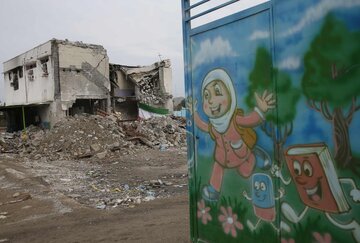
The Ministry of Education and Higher Education clarified that delaying the start of the academic year in Gaza is due to technical and logistical reasons, in addition to considering weather conditions and high temperatures, especially since a large portion of students will receive their education in tents and caravans.
The educational plan targets around 541,000 male and female students in the Gaza Strip, including around 100,000 male and female students in UNRWA schools.
The ministry is preparing to provide around 700 in-person educational points distributed across various areas of the Strip, alongside 25 temporary schools expected to be received soon.
In parallel with in-person education, virtual schools will continue for students unable to reach educational points, as well as for Gaza students located outside the Strip, particularly in Egypt.
Virtual schools designated for Gaza students abroad benefit around 20,000 male and female students, while virtual schools inside the Strip target around 70,000 male and female students who find it difficult to join in-person education.
E-learning and psychological support in Gaza
The ministry is preparing to launch the “eSchool” school communication environment specific to the Gaza Strip simultaneously with the start of the academic year, aiming to enhance communication between students and educational staff and ensure the continuity of the educational process.
Remote psychological support, first aid, and counseling programs will also continue, alongside providing technical support to address emergency problems facing students and educational staff.
The plan also includes involving Gaza Strip students in student activities organized by the ministry, ensuring their participation in educational and pedagogical programs.
Al-Quds : Education confronting occupation measures
In Al-Quds Governorate, the academic year launches despite Israeli measures targeting schools, teachers, students, and Palestinian curricula.
According to data cited by the Hebrew newspaper “Haaretz”, the number of Palestinian students studying according to the Israeli curriculum will reach more than 45,000 male and female students, including 39,363 students in 105 municipal schools, and 5,085 students in “recognized and unofficial” educational institutions, constituting around 38% of East Al-Quds students.
Al-Quds Governorate warned of the consequences of the decision on the national and cultural identity of Jerusalemite students, considering that it comes within a policy targeting Palestinian education and seeking to replace the Palestinian curriculum with the Israeli narrative, within broader measures to consolidate the annexation of Al-Quds and separate it from its Palestinian surroundings.
The measures were not limited to curricula and schools, as occupation authorities did not renew entry permits for a number of male and female teachers and supporting staff in private schools in Al-Quds , hindering their access to their schools.
These measures prompted private school owners to suspend school attendance in the city’s schools starting from September 1, until further notice.
Plan to advance education
The Ministry of Education and Higher Education stresses the continuation of work to provide possible educational needs in the West Bank and Gaza Strip, and raise the readiness of schools and educational staff, supporting the continuity of education and improving the educational environment despite extraordinary conditions.
These efforts come within the “Education for Development 2025-2028” initiative, which targets advancing the educational process, including vocational and technical education, developing the high school system, enhancing interactive and flexible education, and encouraging applied scientific research to serve vital sectors, including health, agriculture, economy, and services.
The ministry also announced that during the coming days, the Korean Center for AI Technologies will be opened inside the ministry, with the aim of training and preparing educational staff and developing this sector inside educational institutions in schools and universities.
Thus, the new Palestinian academic year begins in the West Bank amid expansion in school infrastructure, digital transformation, and vocational education, while education in Gaza tries to restore its presence through educational points, temporary schools, and virtual education, at a time when education in Al-Quds faces Israeli measures targeting curricula, staff, and students, making the protection of education’s continuity and the preservation of its identity one of the most prominent challenges during the new academic year.
/129


Your Comment