

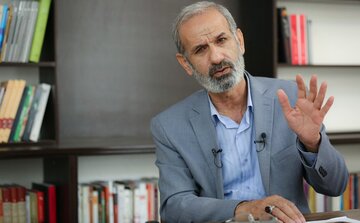
AhlulBayt News Agency: Mamusta Mohammadi emphasized Iran’s comprehensive strength in confronting foreign threats, declaring that any future act of aggression by the enemy would be met with a decisive and unifying response from the Islamic Republic.
He referred to the Zionist regime’s attacks during diplomatic negotiations, noting that within hours of the assault, new commanders were appointed under the guidance of the Supreme Leader, and Iran’s military response—via drones and missiles—was launched. This response not only surprised the enemy but also thwarted their hopes of inciting unrest and division.
During the twelve-day war, Mohammadi added, even domestic critics and exiled opposition figures rallied in support of the Iranian state and its territorial integrity. This unity stemmed from national pride, religious faith, and social cohesion.
He pointed to Iran’s missile strikes on Tel Aviv, Haifa, and other cities in Israel, asserting that Iran’s military power shattered the illusion of Israeli dominance and dismantled the regime’s inflated image.
Criticizing hostile media outlets, Mohammadi called on domestic media to play a constructive role in fostering hope, unity, and solidarity. “Media must stand alongside the armed forces and align with the Supreme Leader’s vision to secure victory in the narrative war,” he said.
He urged officials and public figures to speak from a position of strength, honoring national sovereignty, the blood of martyrs, and Islamic values. Every statement, he stressed, should promote unity and empathy—not weaken public trust.
In conclusion, Mohammadi stated that despite overt and covert support from the U.S., NATO, and certain Arab states for the Zionist regime during the twelve-day war, Iran emerged victorious. “Today, we must all stand firm in our respective roles under the leadership of the Supreme Leader, whose courage and wisdom even our enemies acknowledge. God willing, victory belongs to the noble people of Iran.”
/129

Your Comment