
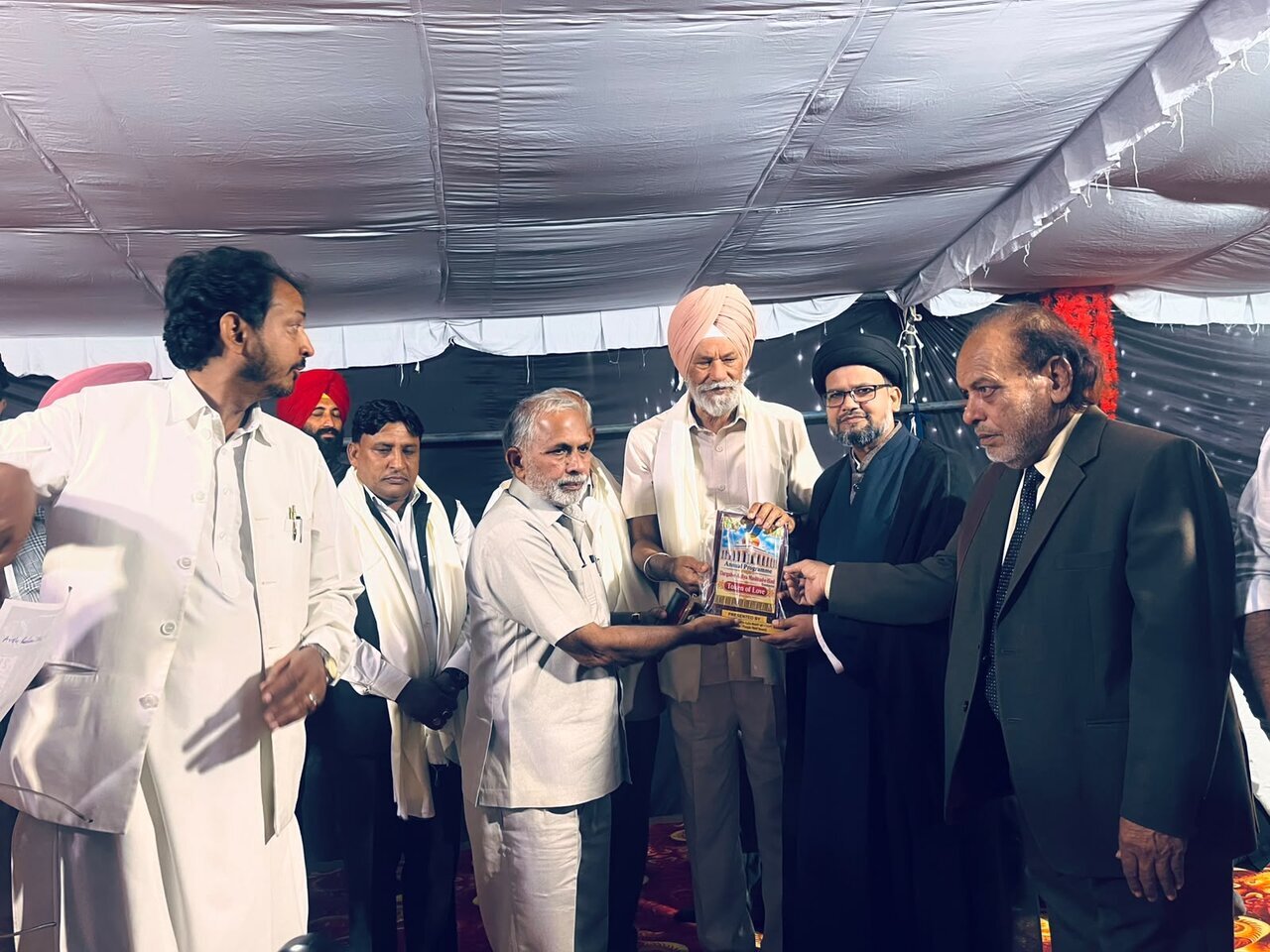
AhlulBayt News Agency: At an international seminar held at the shrine complex of Imam Mashhad Ali in Samana, Punjab, India, Maulana Syed Razi Haider Fandeedvi presented a comprehensive research paper examining the historical background of the sons of Imam Ali al-Ridha (A.S.), the locations of their shrines, and the circumstances surrounding the arrival of the Sadat in India.
Drawing on detailed historical research and authentic references, Maulana Fandeedvi presented findings concerning the six sons of Imam Ali al-Ridha (A.S.) and the locations of their shrines. A significant part of his paper focused on the sacred shrine of Imam Syed Ali, also known as Imam Mashhad Ali, located in Samana, Punjab. He discussed historical evidence relating to the shrine, as well as various aspects of the arrival and settlement of the Sadat in India. He also highlighted the reasons behind their migration and the different places where they settled.
Maulana Syed Razi Haider Fandeedvi is a religious scholar, researcher, author, speaker and social worker. He is associated with the Research and Publications Department of the International Noor Microfilm Centre at the Iran Culture House in New Delhi. He is also a member of the Publications Council of the Office of the Representative of the Supreme Leader of the Islamic Revolution in India and serves as chairman of the AMR Medical and Educational Trust, Delhi. He remains actively involved in academic and research activities, writing on religious and historical subjects, religious outreach, public speaking and social service.
His major research and literary works include Tarikh Anjuman Wazifa Sadat wa Momineen* (two volumes), *Ijazat Ulama-e-Hind* (two volumes), Tarikh Fandeedi Sadat, Hukm-e-Kuffar az Nazr-e Taharat wa Najasat, Shajra-e-Sadat and Dairatul Ma'arif (two volumes). He has also authored several research papers and articles on academic, religious, historical and social subjects. He is currently working on an important research book titled *Indian Shia Anjumans: History, Contributions and Social Impact*.
Scholars, writers and other attendees listened to his scholarly presentation with considerable interest and attention. The historical arguments and authentic references cited in his paper were particularly appreciated. His discussion of the arrival of the Sadat in India and their historical settlements across the country also attracted considerable attention.
On the occasion, Maulana Fandeedvi highlighted the educational and intellectual significance of religious gatherings (majalis). He observed that an audience gathering to listen to accounts of Karbala should be regarded as no less intellectually capable than an assembly of professors, intellectuals or distinguished academic and literary figures. He described majalis as centres of knowledge and spiritual understanding, comparable to universities in their educational significance.
The keen interest and attentive participation of the gathering in such an in-depth academic discussion reflected the educational and intellectual influence of majalis. The appreciation expressed by scholars and the enthusiastic response of the audience were encouraging recognition of the research efforts and academic contributions of the scholar.
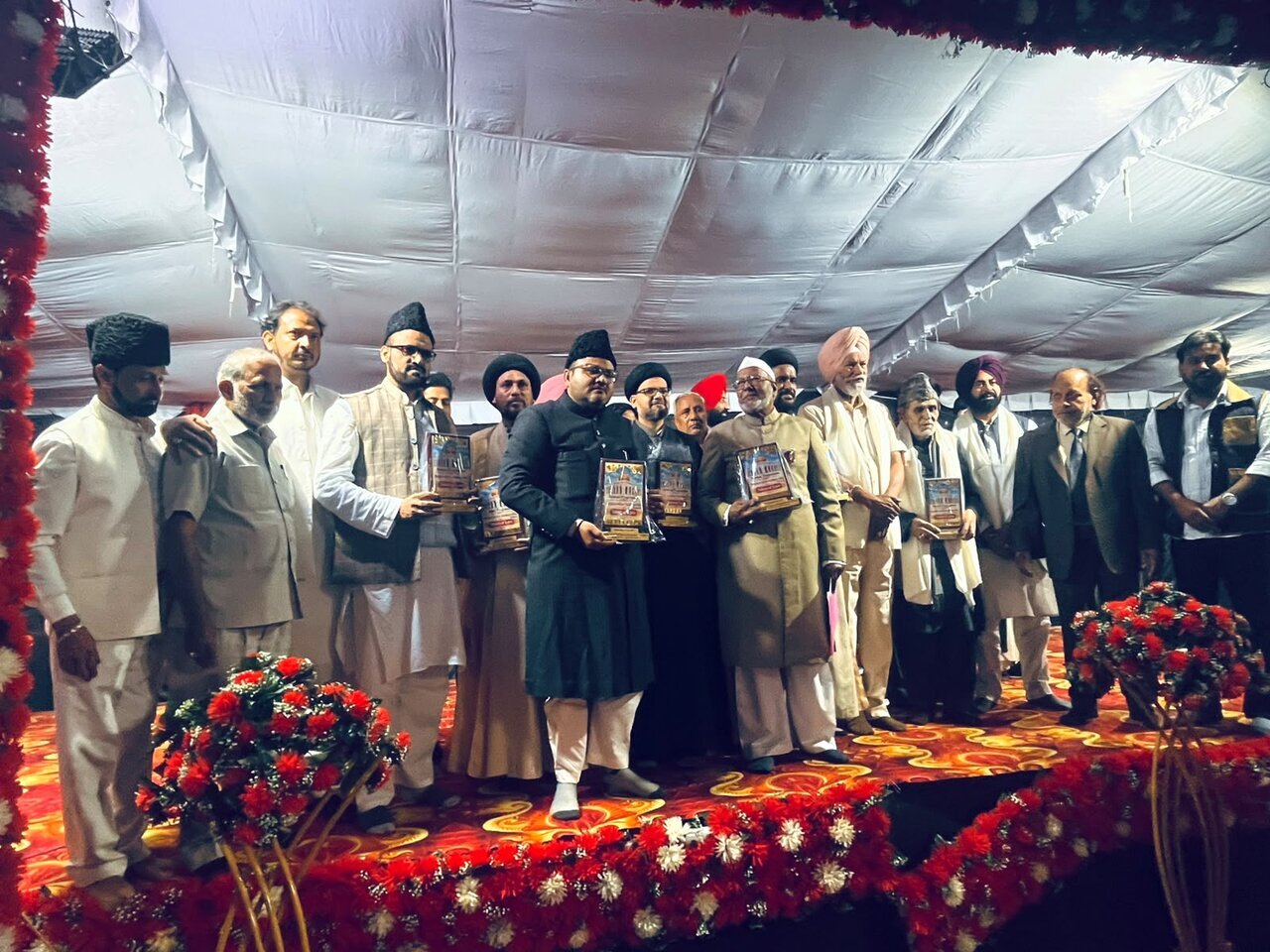
In recognition of his academic and research contributions and his paper based on historical sources, Maulana Syed Razi Haider Fandeedvi was felicitated by the Punjab Waqf Board, the Punjab Government and the Imam Mashhad Ali Committee. The recognition acknowledged his research work and sustained efforts in the fields of history and academic scholarship.
Appreciation is also due to Professor Dr Rehan Rizvi, convener of the international seminar, and the Imam Mashhad Ali Committee of Samana, Punjab, particularly its General Secretary Shabbir Abbas, President Zaigham Abbas, Advocate, and all other office-bearers and members. By organising this important academic event, they not only promoted a valuable tradition of scholarly research and discussion but also opened new avenues of knowledge and intellectual exchange for scholars and researchers.




Your Comment