
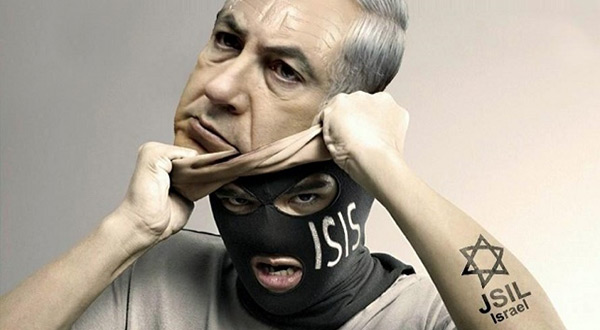
"Iran, which previously displayed dexterity in exploiting every opportunity to enhance its standing as a regional power, wishes to capitalize on the vacuum created in Syria and Iraq by ISIS's collapse, to advance its ambitions in the region and play a central role in shaping the post-ISIS Middle East," says a 37-page report by the Intelligence and Terrorism Information Center [ITIC].
According to the report's lead author, prominent Iran researcher Raz Zimmt, Tehran is seeking to stabilize the Bashar Assad regime in Syria and the government in Iraq, which would help it dislodge the US from the region, and escalate the threat posed to Israel, while creating a state of deterrence.
Particularly it would use the land corridor from its own territory to Lebanon, to augment the military capabilities of Hezbollah, developing the abilities of Hezbollah to manufacture weapons, and establishing local terror networks in the Golan Heights, with the aim of creating a new front for challenging Israel.
But Israel is hoping that the alliance of some Arab populations, terrorists, major world powers, will combine with regional chaos to prevent what it regards as the most dangerous scenario.
"Iran's intervention in Syria fans the flames of conflict with ISIS, which retains significant operational capabilities even after the collapse of the so called Islamic states," claims the report.
"ISIS will likely change its combat patterns and revert to guerrilla tactics and terrorism following the end of the campaign against it in Iraq, and may carry out hit-and-run attacks against Iranian vehicles moving along the land corridor [Iranian vehicles may be perceived as attractive targets for ISIS in its new incarnation]," it adds.
The report uses the example of the simultaneous ISIS attacks in Tehran in June, which resulted in the deaths of 17 civilians "to illustrate potential dangerous effects of the confrontation between Iran and ISIS on Iran's internal security."
Besides, the author lists Turkey, Russia and the USA as outside powers that either have their own influence in the region - such as Damascus' debt to Moscow over military support - or are outright enemies of Tehran.
"Iran's efforts to gain influence in this arena may lead to greater strife with the United States, especially during the Trump presidency. Iran eyes with concern American activity against Syrian regime forces and sees it as a new phase in the battle to shape Syria in the days after ISIS and as an American plot, which aims to curtail Iranian influence," writes Zimmt.
As the author concludes, Iran's success will depend not just on its own initiative "but the policies of the rest of the state and non-state actors operating in the region, and their decisions whether to facilitate Iran's ambitions or challenge its efforts," which suggests that the Middle East is entering a new period of competition and volatility.
/106



