
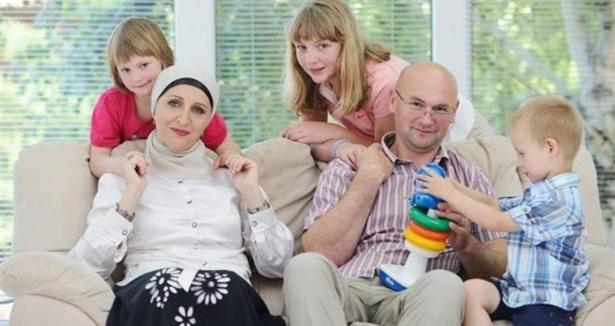
SARAJEVO – Sending a message of hope to Bosnian Muslim women, a veiled woman was elected to the House of Representatives in October's elections, becoming the first woman to enter the parliament with the Islamic headscarf.
"I think my being elected is a good message for all women, especially for women who wear the headscarf," Kanela Zuko told Anadolu Agency on Thursday, November 13.
The 38-year-old Muslim woman, who was elected last October, is the first to wear hijab among the 22 females MPs in the Balkan country.
The Muslim lawmaker underscored the vital role played by women who can lead communities depending on their special qualities, talents and professional training.
She has also stressed on the women's role as wives and mothers.
"Dealing with politics is twice as difficult for women than men," Zuko said.
"I think even when in politics, women should never forgot their other roles as wives and mothers."
Highlighting the rights of women, Zuko said: "Above all, today's women have right to vote and to be elected.
"Whether women wear the headscarf or not, they should educate themselves to understand social development," she added.
Working in politics for almost a decade, Zuko was elected in the on the Democratic Action Party list that represents Bosniaks and other Slavic Muslims.
The mother of three is also the president of Fatma Association that takes care of children of the fallen soldiers.
Held on October 12, Bosnia's seventh national election since the end of 1990s war was marred by the mounting calls for secession.
The political instability in the Fragile Balkan nation has undermined the country’s prospects of joining the European Union, and fanned economic hardship.
Since 2006 elections, mistrust and political differences has grown between nationalist Croat, Serb and Muslim leaders.
According to Dayton Accord, which ended the country’s civil war from 1992-1995, the Serb region makes up some 49 percent of Bosnia, while the Muslim-Croat federation makes up 51 percent.
This split took place after Serb forces launched ethnic cleansing campaign against Bosnian Muslims that claimed some 200,000 lives, and forced nearly two million people to flee their homes.
/129



