
(Ahlul Bayt News Agency) - "The report that a Saudi prosecutor has demanded capital punishment for Sheikh Baqir al-Nemr, an eminent, sympathetic and dedicated cleric, causes any loyal Muslim and any freedom-seeking man to feel regret and anguished," Dorri Najafabadi said in a statement on Wednesday.
Najafabadi, a former Iranian prosecutor-general, further reiterated that the Saudi prosecutor's demanded verdict for the execution of Sheikh Nemr is illegal and inhuman.
He further lashed out at Riyadh for clamping down on its own scholars and people, while supporting the usurper Israeli regime.
The suppression of Shiites in Saudi Arabia has been intensified after the death of Saudi Crown Prince Nayef bin Abdul Aziz Al Saud and the appointment of Salman bin Abdulaziz as the new crown prince of the country.
The increased violence and killings in the Arab country indicate that the new crown prince is a more extremist person than his predecessor and he is attempting to massacre the Shiite residents of the Eastern parts of the country.
To the same end, the Al-Saud rulers are striving to promote hatred for Shiites and Shiite Islam among the Wahhabites and other Sunni sects in a bid to encourage a sectarian strife to cleanse the Shiite population in a sectarian war instead of using government forces which will draw wide international condemnation.
Since February 2011, Saudi protesters have held demonstrations on an almost regular basis in Eastern Provinces, mainly in the Qatif region and the town of Awamiyah, calling for the release of all political prisoners, freedom of expression and assembly, and an end to widespread discrimination.
However, the demonstrations have turned into protests against the Al Saud regime, especially since November 2011, when Saudi security forces killed five protesters and injured many others.
The Saudi interior ministry issued a statement on March 5, 2011, prohibiting "all forms of demonstrations, marches or protests, and calls for them".
In June, Saudi King Abdullah bin Abdulaziz Al Saud ordered the country's security forces to go on a state of high alert due to what he called a "turbulent situation" in the region.
According to Human Rights Watch, the Saudi regime "routinely represses expression critical of the government".
/129
11 April 2013 - 04:57
News ID: 408045
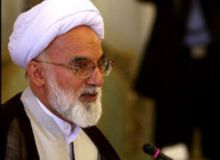
Supreme Leader of the Islamic Revolution's representative in Iran's central province of Markazi Ayatollah Qorban-Ali Dorri Najafabadi lashed out at Riyadh for issuing a death sentence for the jailed Shiite leader, Sheikh Nemr Baqir al-Nemr.



