AhlulBayt News Agency (ABNA): As international developments enter a sensitive phase, a number of political observers and analysts are warning about the escalation of the United States’ military posture and its consequences for regional and global security. They argue that intervention-based policies could pave the way for a new round of instability and conflict across different parts of the world.
Historical assessments show that U.S. military interventions over past decades in countries such as Vietnam, Afghanistan, Iraq, and Libya have been accompanied by wide-ranging humanitarian, political, and social consequences. These operations were often justified under goals such as promoting democracy, countering security threats, or conducting humanitarian interventions, but in practice, they resulted in large numbers of civilian deaths, destruction of infrastructure, and the creation of long-term instability.
Some reports indicate that more than two million people were killed during the wars in Iraq and Afghanistan, with millions more displaced. Critics say that beyond human losses, these conflicts fueled insecurity, extremism, and prolonged political crises in the affected countries.
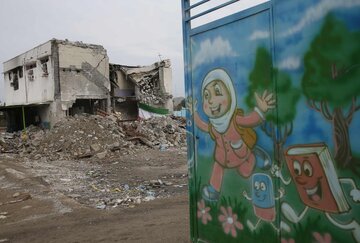
In more recent developments, the role of the United States in providing military, financial, and diplomatic support to the Zionist regime has drawn broad attention. According to figures released by international bodies and human rights sources, tens of thousands of Palestinians have been killed during the Gaza war, and vast areas of residential neighborhoods, medical centers, schools, and refugee camps have been destroyed.
On the diplomatic front, the United States has in recent months repeatedly used its veto power at the United Nations Security Council to block resolutions calling for a ceasefire or condemning the Zionist regime’s military operations. Critics view this as evidence of double standards in the application of international law and the protection of civilians.
At the same time, reports have emerged about an increased deployment of U.S. forces in the Persian Gulf region, a move analysts say could raise the risk of an expansion of hostilities and further endanger regional security.
Some experts believe current developments are not limited to regional issues and should be analyzed within the framework of broader shifts in the global balance of power. They argue that with the strengthening of emerging economic and political blocs in the East and the formation of new alliances, the traditional structure of global power is changing, intensifying geopolitical competition.
Within this context, tools such as sanctions, political pressure, proxy wars, and direct military presence remain central elements of major powers’ foreign policy. Critics stress that these approaches most severely affect ordinary citizens, who face the killing of family members, the destruction of homes, and widespread displacement.
Political observers warn that continuing this trajectory could turn more regions of the world into centers of chronic crisis and negatively affect international security and stability. In their view, preventing escalation requires strengthening diplomacy, respecting state sovereignty, and prioritizing political solutions over military ones.
Experts also emphasize that the future of the global order largely depends on how these crises are managed, and that ignoring the humanitarian and legal consequences of conflicts could lead to one of the most costly periods of instability in modern history.
**************
End/ 345E