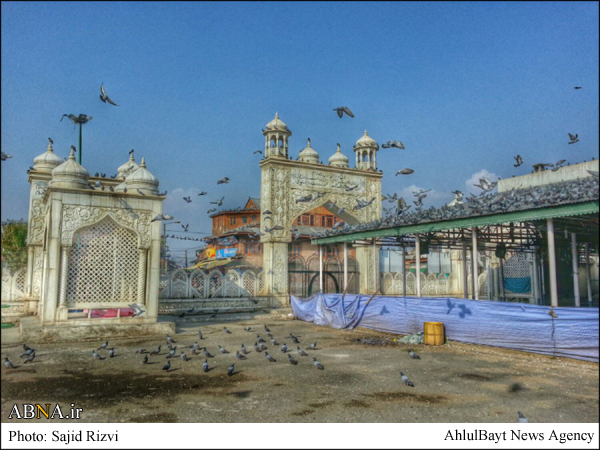
The history of the shrine goes back to the early seventeenth century when the Mughal Emperor Shahjahan's lieutenant, Sadiq Khan, laid out a garden here & constructed a palatial building, Ishrat Mahal or Pleasure House in 1623.
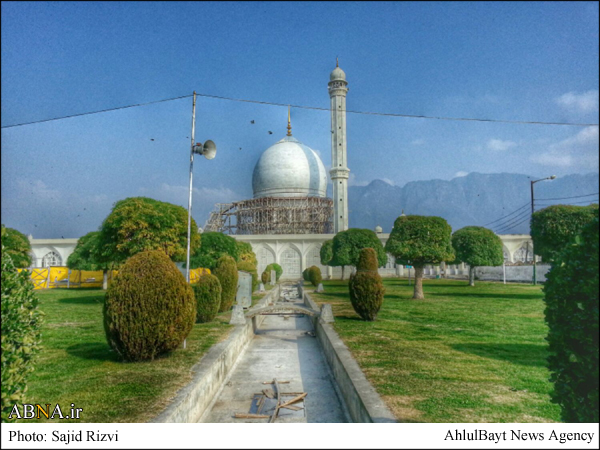
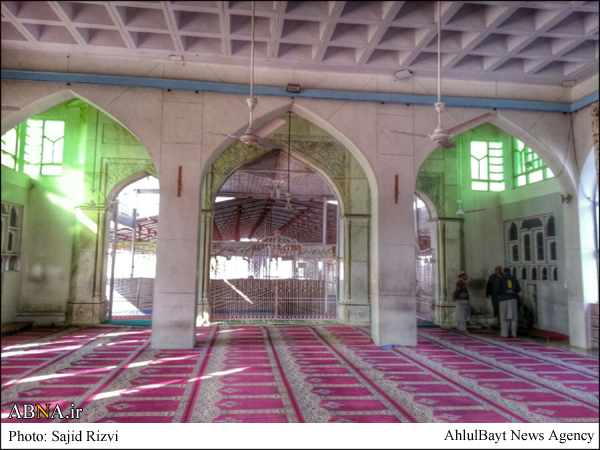
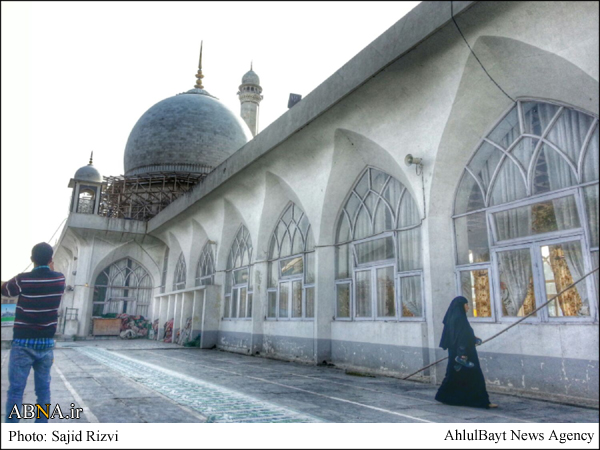
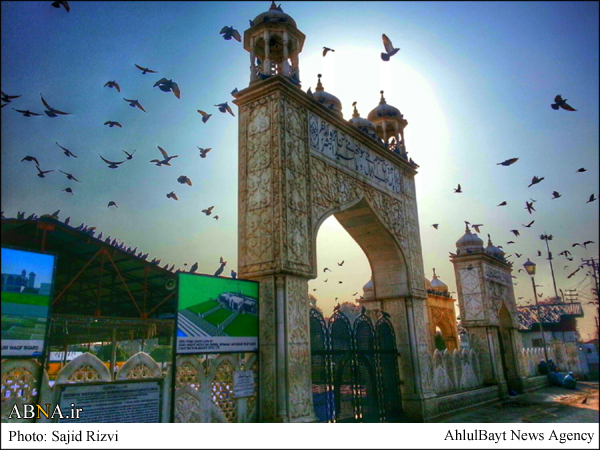
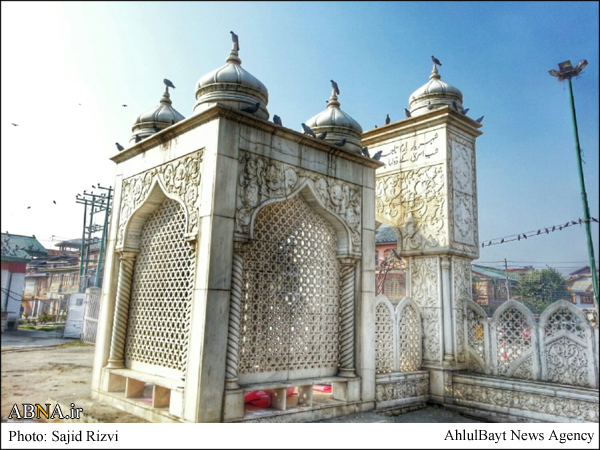
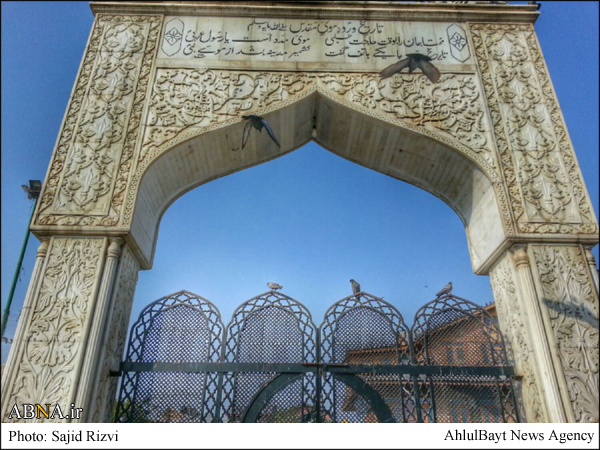
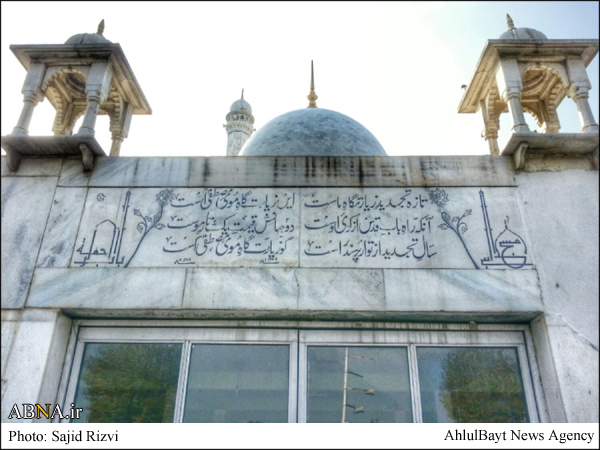
The history of the shrine goes back to the early seventeenth century when the Mughal Emperor Shahjahan's lieutenant, Sadiq Khan, laid out a garden here & constructed a palatial building, Ishrat Mahal or Pleasure House in 1623. However, the Emperor, during his visit in 1634, ordered the building to be converted into a prayer House with some additions & alterations. During the time of mughal emperor Aurangzeb, when Moi-e-Muqqadus (The Holy Relic) arrived in Kashmir in 1699, it was first kept in the shrine of Naqashbad Sahib in the heart of the city. Since the place was found to be insufficient in view of the unprecedented rush of people who thronged the place to have a glimpse of the Moi-e-Muqqades( the holy relic), it was decided to shift the it to Hazratbal, then known as Sadiqabad. The construction of the present marble structure was started by the Muslim Auqaf Trust headed by political leader Sheikh Mohammad Abdullah in 1968 and completed in 1979. The "Moi-e-Muqqadas" (Holy Relic of Prophet Mohammad S.A.W) is displayed on various occasions related with the life of Prophet & his four holy companions.
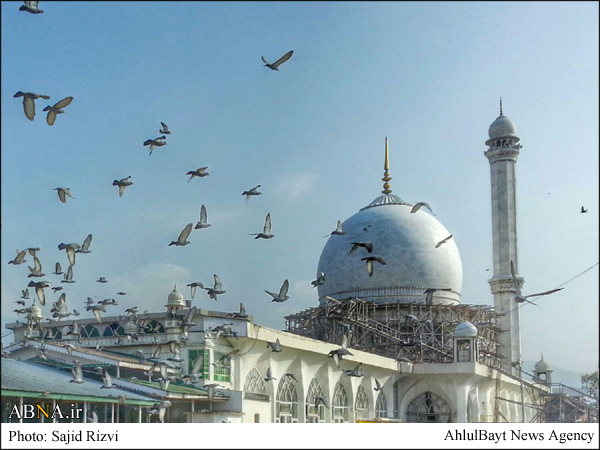
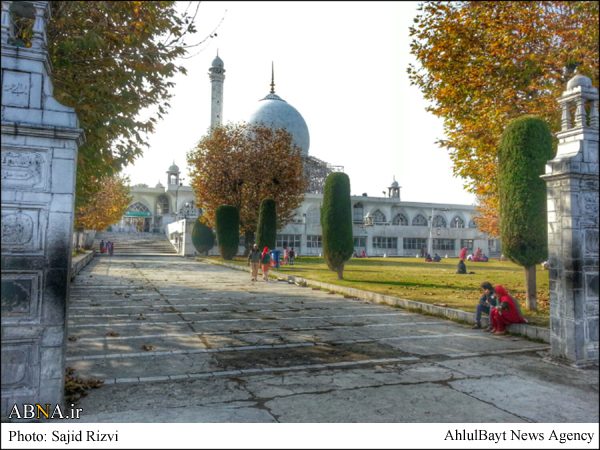
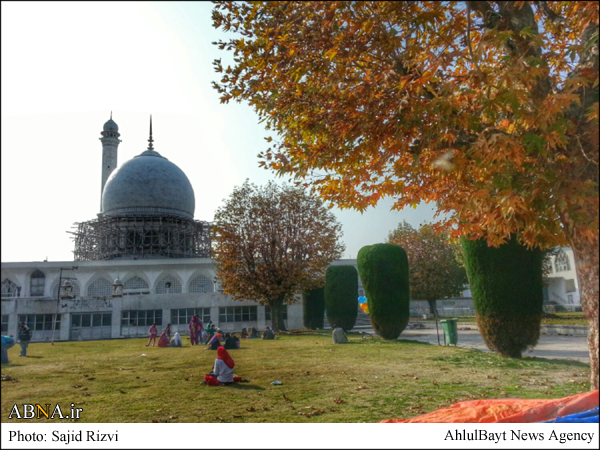
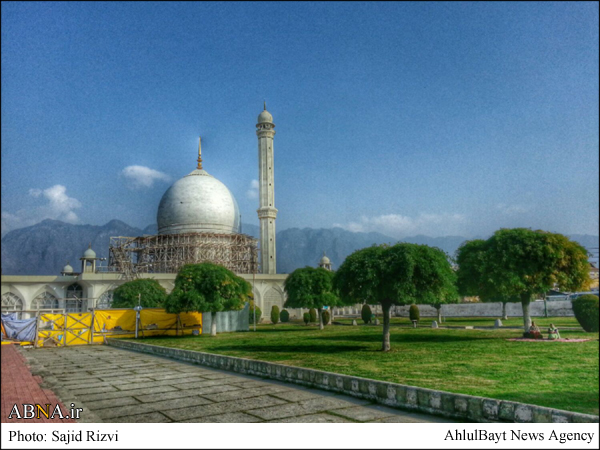
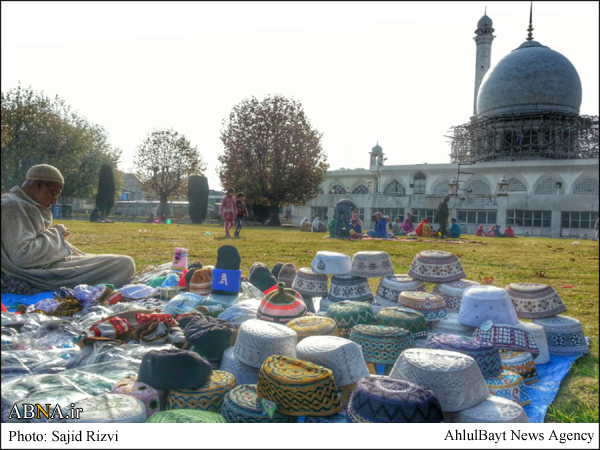
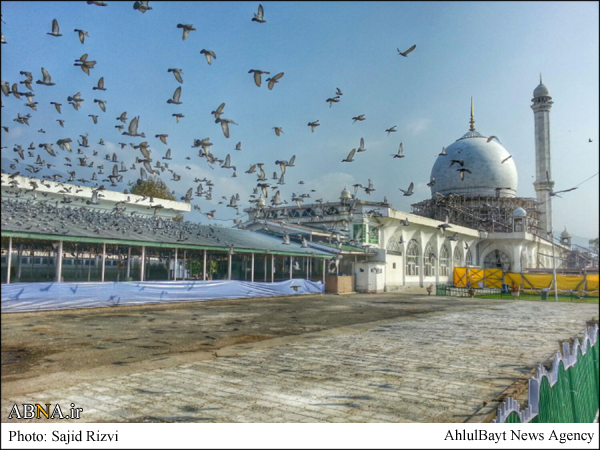
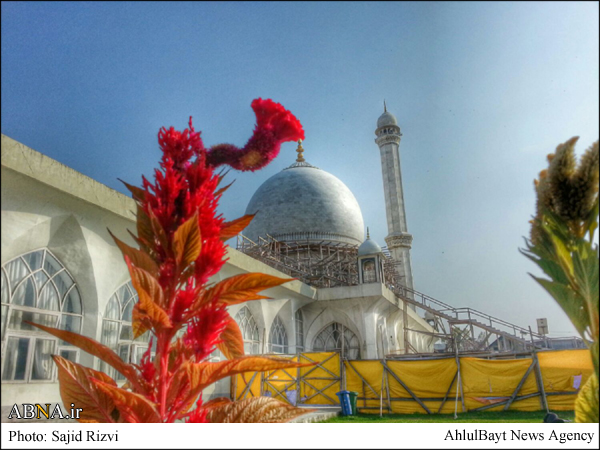
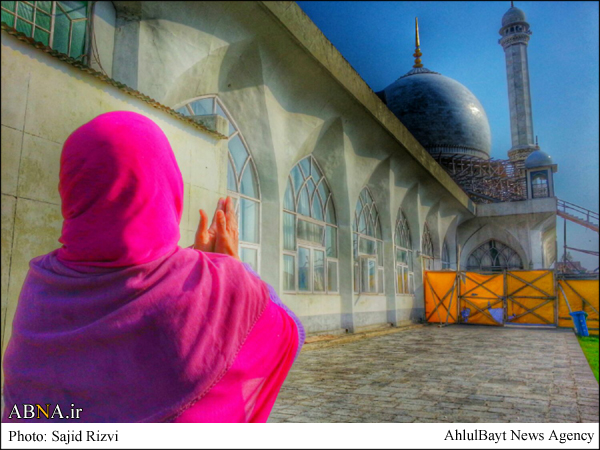
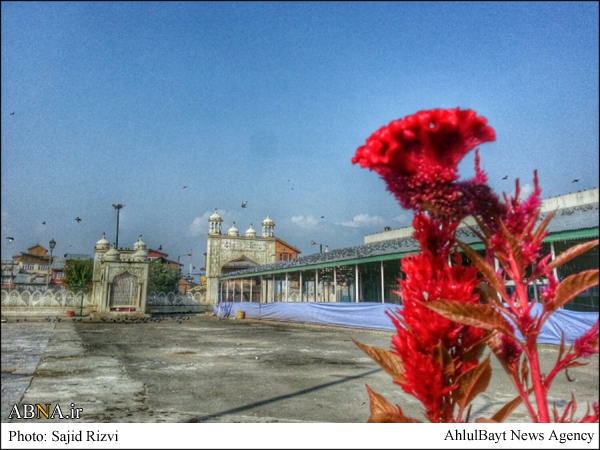
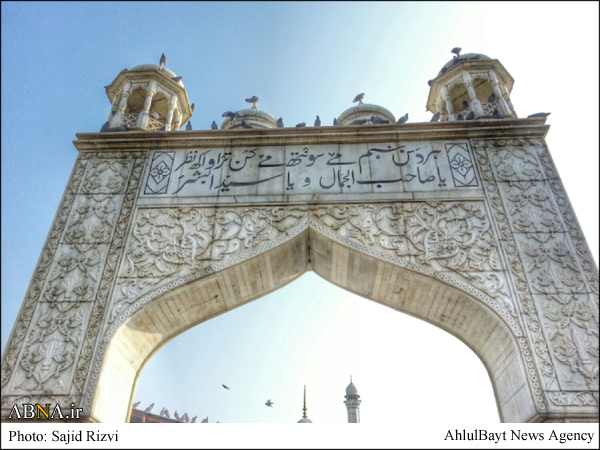
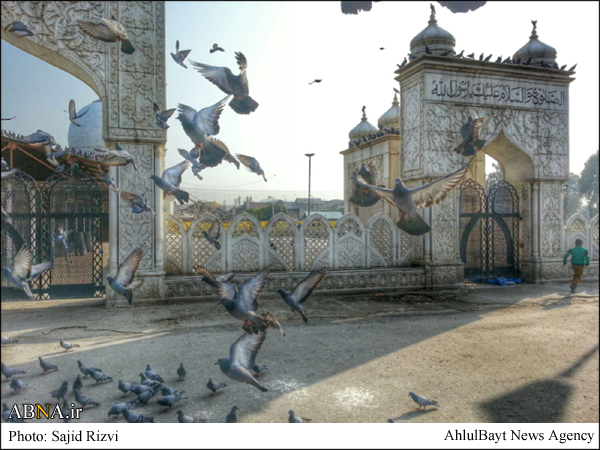
Hazratbal shrine is located in a village of the same name on the banks of the Dal Lake. Its pristine white marble elegance is reflected in the waters of the lake. Hazratbal's special significance is derived from the fact that it houses a hair of the prophet Muhammad s.a.w . This is displayed to the public on religious occasions, usually accompanied by fairs. Apart from these occasions, Friday prayers are offered at Hazratbal and attended by throngs of people. Hazratbal is remarkable for being the only domed mosque in Kashmir capital Srinagar, the others having distinct pagoda like roofs. The shrine mosque complex is situated on the western shore of the DalLake opposite Nishat Bagh and commands a grand view of the lake and the mountain beyond.
/149